
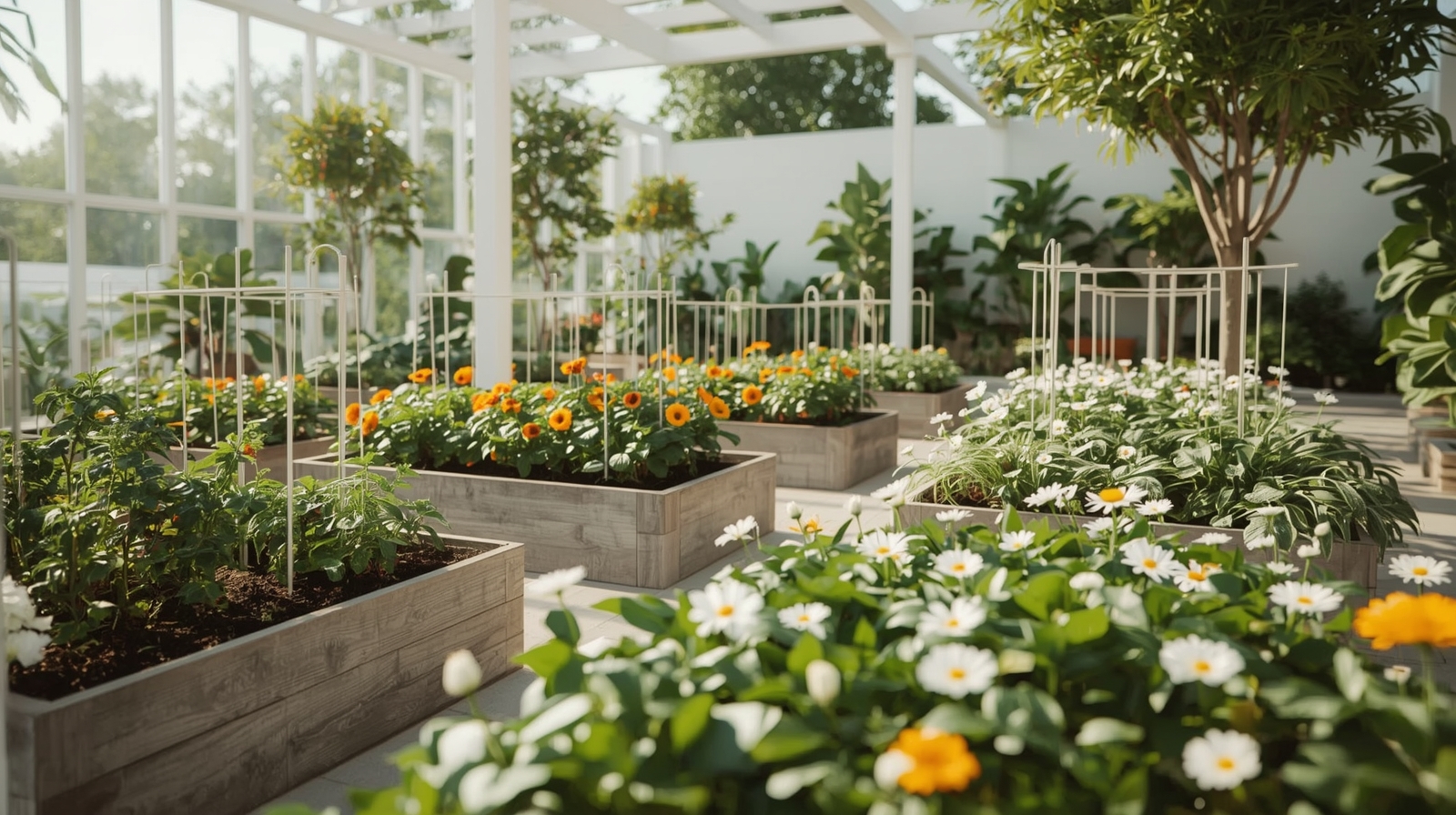
and easy plant choices to help you create a healthy and beautiful garden with confidence.
Smart Garden Planning: The First Step Every Beginner Should Take
A successful garden starts with smart planning, not planting. Many beginner gardening mistakes happen before the first seed goes into the soil.
Understanding sunlight, soil conditions, and garden size will save time, money, and frustration later.
Choosing the Right Location for Your Garden
Most vegetables and flowering plants require 6–8 hours of direct sunlight per day.
Spend a full day observing your yard and note where sunlight falls in the morning, afternoon, and evening.
Avoid areas near large trees or low spots where water collects after rain.
If possible, choose a flat or slightly sloped area that drains well and receives consistent sunlight.
Understanding Your Soil Before You Plant
Healthy soil is the foundation of all successful gardens.
Beginner gardeners should start with a simple soil test to measure pH and nutrient levels.
If your soil is compacted or low in nutrients, mix in organic compost.
Adding just 2–3 inches of compost improves drainage, boosts nutrients, and encourages healthy root growth.
Start Small to Build Confidence
One of the best beginner gardening tips is to start small.
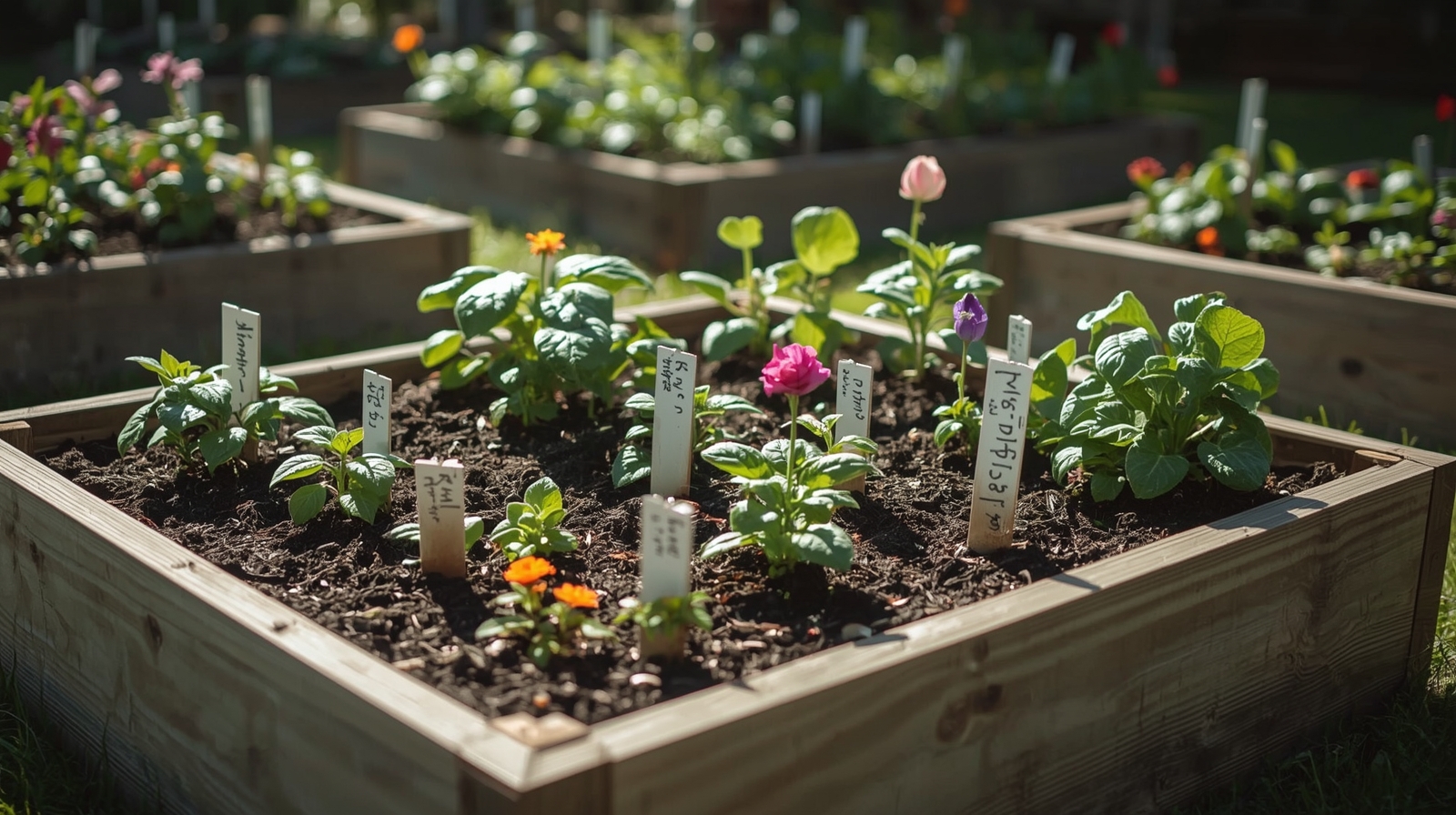
A garden bed measuring about 4×4 feet is perfect for learning without feeling overwhelmed.
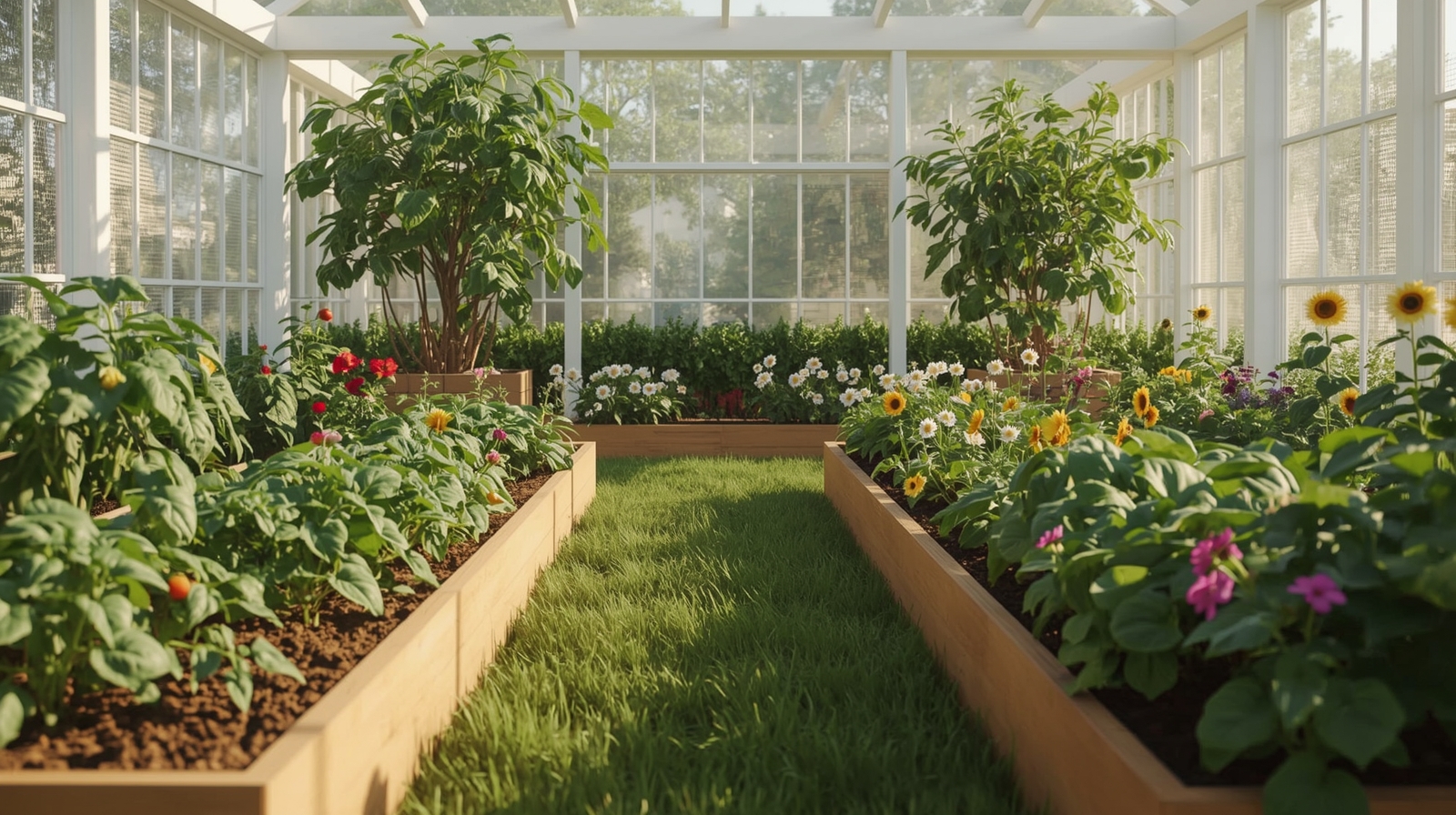
Raised beds are ideal for beginners because they warm up faster, drain better, and are easier to maintain.
As your confidence grows, you can expand your garden over time.
Choosing Beginner-Friendly Plants That Thrive
Selecting the right plants is crucial for beginner gardening success.
In 2026, popular garden ideas focus on low-maintenance plants that grow quickly and tolerate small mistakes.
Easy Vegetables and Herbs for Beginners
Some vegetables grow faster and require less care, making them perfect for beginners:
- Radishes – ready to harvest in just 3–4 weeks
- Leaf lettuce – grows quickly in cool weather
- Bush beans – productive and easy to manage
- Zucchini – high yields from a single plant
For herbs, start with basil, mint, chives, and parsley.
These herbs grow well in containers or garden beds and recover quickly after harvesting.
Low-Maintenance Flowers That Add Color
Flowers improve garden design while supporting pollinators.
Beginner-friendly flowers include marigolds, zinnias, coneflowers, and black-eyed Susans.
Mix annuals for quick color and perennials for long-term structure.
This combination creates a balanced and attractive garden throughout the season.
Watering Wisely: Avoid the Most Common Beginner Mistakes
Improper watering is one of the main reasons beginner gardens fail.
Plants prefer deep, infrequent watering rather than light daily sprinkling.
Deep Watering for Strong Roots
Water your garden deeply once or twice per week, allowing moisture to reach at least 6 inches below the surface.
This encourages deep root growth and improves drought resistance.
Water early in the morning to reduce evaporation and prevent fungal diseases.
Choosing the Right Watering Method
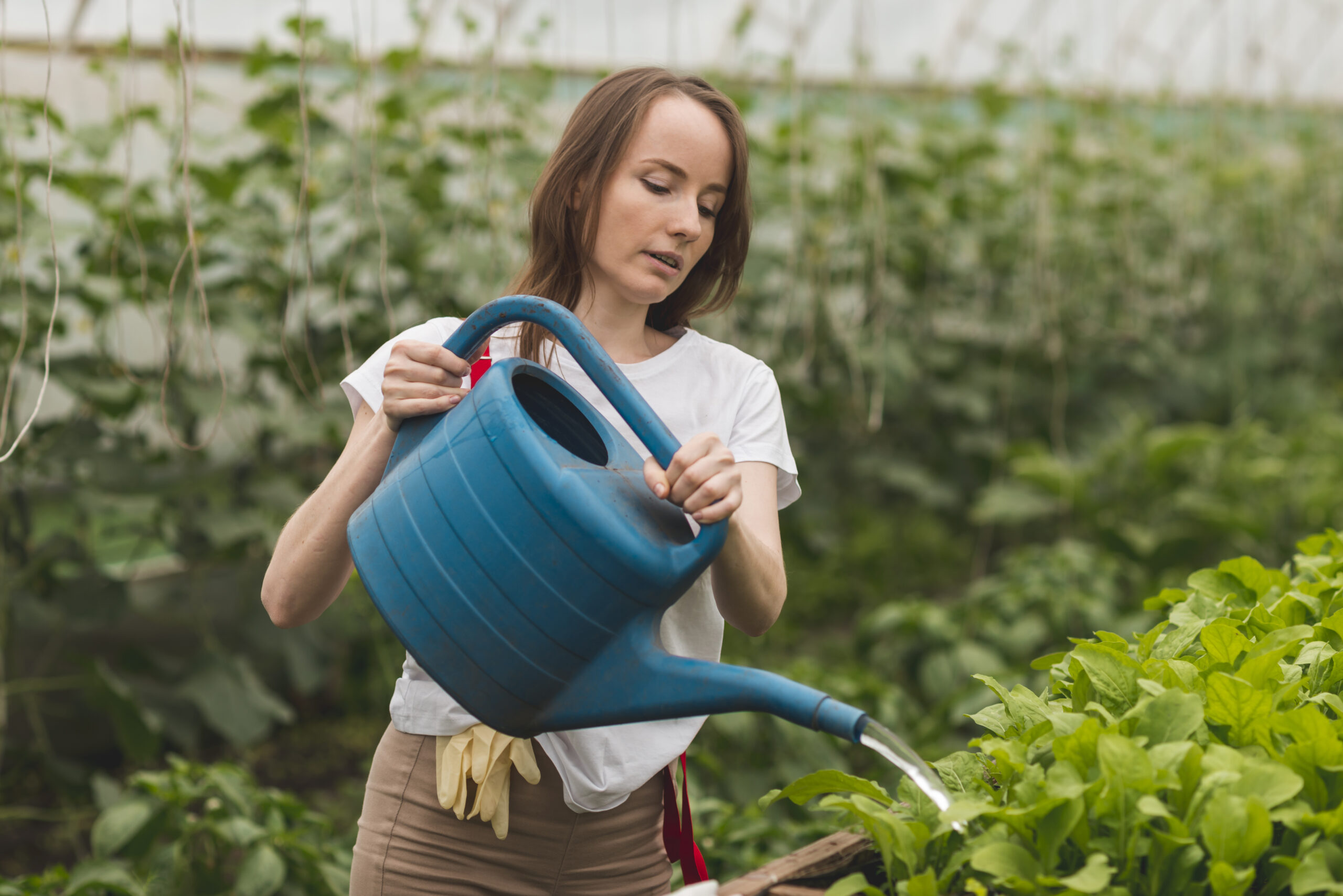
For small gardens, hand watering with a hose or watering wand works well.
For larger beds, drip irrigation or soaker hoses deliver water efficiently and reduce waste.
Modern gardening tools such as smart timers can automate watering and are especially helpful for busy gardeners.
Simple Maintenance Routines for Beginner Gardeners
Gardens thrive when maintained regularly.
Short, consistent care routines prevent problems before they grow.
Weeding and Pest Control Basics
Remove weeds early, especially after rain when soil is loose.
Mulching helps suppress weeds and retain moisture.
For pests, inspect leaves weekly.
A strong water spray or mild soap solution often solves problems without chemicals.
Feeding and Pruning for Healthy Growth
Use compost or balanced slow-release fertilizer to nourish plants throughout the season.
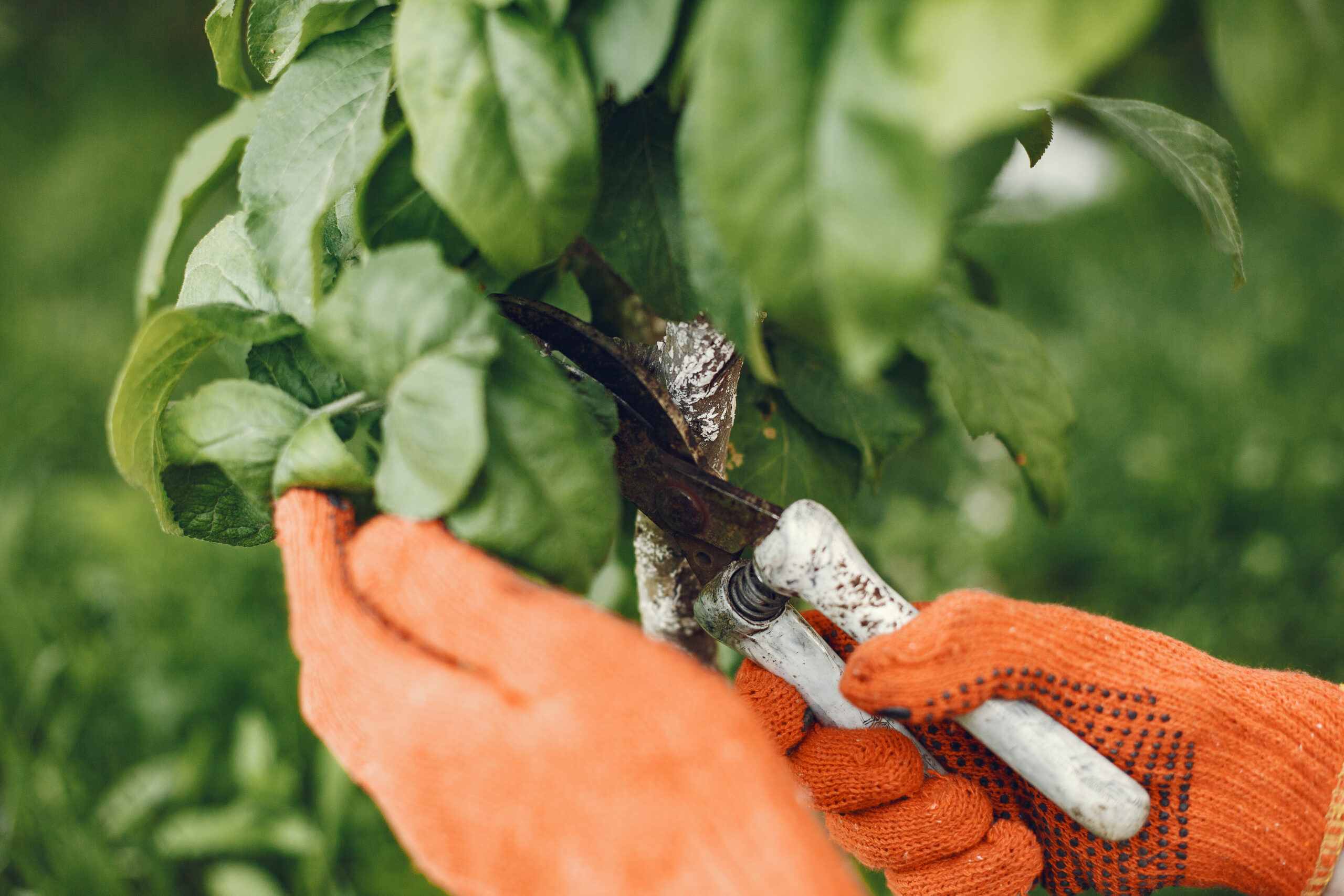
Regular pruning and deadheading encourage stronger growth and more flowers or fruit.
Conclusion: Build Your Confidence and Grow Into 2026
With proper planning, beginner-friendly plants, smart watering, and simple maintenance,
anyone can create a thriving garden. These beginner gardening tips are designed to help you succeed in 2026 and beyond.
Start small, stay curious, and enjoy the process.
Gardening rewards patience, observation, and care — and your beautiful garden is just one season away.
Newsletter
Stay Updated with the Best Gardening Tips!